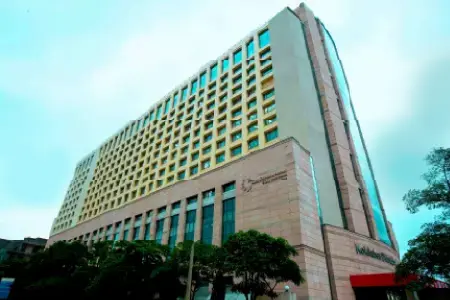
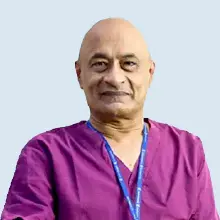
Dr. Vishal Peshattiwar, a distinguished Spine Surgeon with 25 years of experience, is a trailblazer in Minimally Invasive Spine Surgeries (MISS) in Mumbai. With over 4,000 successful procedures, including complex cases and revisions, he has established himself as a leader in the field. Dr. Peshattiwar's pioneering techniques, such as multi-level spine fixation surgery and MISS for challenging conditions like liver failure and Tuberculosis, showcase his commitment to innovation. As an esteemed educator and speaker, he disseminates his expertise globally, contributing to advancements in spinal surgery techniques. Dr. Peshattiwar's unwavering dedication to excellence ensures optimal outcomes for his patients, driving his continuous pursuit of improvement.
Spinal Tumors : Abnormal growths of cells in the spinal canal, which can be cancerous (malignant) or noncancerous (benign). They can develop in the vertebrae, discs, nerves, or surrounding tissues. Symptoms vary depending on the tumor location and size, and can include pain, numbness, weakness, or difficulty walking. Treatment options depend on the tumor type, grade, and other factors, and may involve surgery, radiation therapy, chemotherapy, or a combination of these approaches.
Spinal Deformity : Abnormal curvatures of the spine, such as scoliosis (sideways curvature), kyphosis (excessive rounding of the upper back), or lordosis (excessive inward curvature of the lower back). These can be caused by congenital conditions, injuries, degenerative diseases, or other factors. Symptoms can vary but may include back pain, fatigue, uneven posture, or difficulty breathing in severe cases. Treatment depends on the severity and type of deformity, and may involve bracing, physical therapy, or surgery to correct the curvature and improve function.
Percutaneous Spine Intervention (Minimally Invasive) : A broad term encompassing various image-guided procedures that access the spine through small incisions for diagnosis and treatment. Techniques utilize needles, catheters, and specialized instruments to deliver medications, perform biopsies, or correct certain spinal problems. Compared to traditional open surgery, these procedures offer faster recovery, less blood loss, and smaller scars.
Endoscopic Spine Intervention : A specific type of percutaneous spine intervention that uses an endoscope (a thin, lighted instrument) to visualize and access the spine through small incisions. This allows for magnified views and precise manipulation of instruments for minimally invasive procedures like discectomy (removing herniated disc material) or vertebroplasty (injecting bone cement to strengthen vertebrae).
Knee Replacement : A surgical procedure where a worn-out or damaged knee joint is replaced with artificial implants. This is typically done to alleviate severe pain and improve mobility in individuals with advanced arthritis or other joint issues. The surgery involves removing diseased cartilage and bone from the femur (thigh bone), tibia (shin bone), and patella (kneecap), and replacing them with metal and plastic components to restore joint alignment and function. Recovery involves physical therapy to regain strength and flexibility in the knee joint.
Disc Slip (Disc Herniation) : Occurs when the soft inner material (nucleus pulposus) of an intervertebral disc bulges or protrudes through a tear in the tough outer shell (annulus fibrosus). This can compress spinal nerves, causing pain, numbness, weakness, or tingling that radiates down the leg (sciatica) depending on the location of the herniated disc. Treatment options range from conservative measures like physical therapy and pain medication to surgical intervention (discectomy) to remove the herniated disc material.
Spinal Fusion : A surgical procedure to permanently connect two or more vertebrae in the spine. This is typically done to address instability, deformity, or pain caused by conditions like fractures, spinal stenosis (narrowing of the spinal canal), or degenerative disc disease. The surgeon uses bone grafts or implants to create a solid fusion between the vertebrae, limiting their movement and providing stability. Recovery from spinal fusion can be lengthy and involves physical therapy to regain strength and flexibility in the spine.
Foot Assessment : A comprehensive evaluation of the foot and ankle by a podiatrist or other healthcare professional. It typically involves a physical examination, discussion of symptoms and medical history, and potentially imaging tests like X-rays or gait analysis. The assessment aims to identify any foot abnormalities, such as flat feet, bunions, hammertoes, or plantar fasciitis. Based on the findings, a treatment plan can be developed, which may include footwear recommendations, orthotics, physical therapy, or medication.