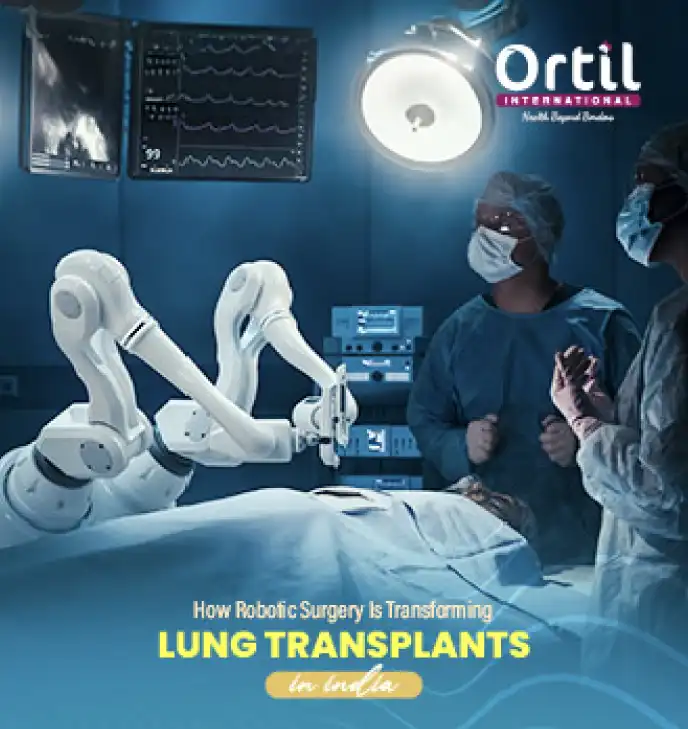
How Robotic Surgery Is Transforming Lung Transplants in India
India is emerging as a leading destination for robotic lung transplant surgery, offering advanced technology, skilled transplant surgeons, and affordable treatment options. With the use of robotic systems, lung transplant surgeries in India are performed with greater precision, fewer complications, and faster recovery — making it an attractive choice for international patients.
Introduction
Lung transplantation is a complex and life-saving procedure for patients with severe lung diseases such as pulmonary fibrosis, COPD, and end-stage lung failure. Traditionally, lung transplant surgery involved large incisions and longer recovery periods.
Today, robotic surgery has transformed this field by allowing surgeons to perform highly precise procedures through smaller incisions. India has successfully adopted robotic technology in lung transplants, providing international patients access to world-class care at significantly lower costs compared to Western countries.
Understanding Robotic Lung Transplant Surgery
Robotic lung transplant surgery uses advanced robotic systems controlled by expert surgeons. These systems provide high-definition 3D vision and precise instrument movement, allowing better control during delicate steps of the transplant.
Indian hospitals combine robotic technology with experienced transplant teams, ensuring accuracy, safety, and better outcomes for patients.
What Is Robotic Surgery for Lung Transplants?
In robotic lung transplant surgery, surgeons use robotic arms equipped with miniaturized instruments and cameras to remove the damaged lung and implant the donor lung. The surgeon controls the robot from a console, ensuring steady and precise movements.
Key benefits include:
- Smaller surgical cuts
- Reduced blood loss
- Less pain after surgery
- Lower risk of infection
- Faster recovery and shorter hospital stay
Who Needs Robotic Lung Transplant Surgery in India?
International patients who may benefit include those with:
- End-stage lung diseases
- Severe breathing difficulty despite medical treatment
- Lung damage due to genetic, environmental, or infectious causes
- Conditions where minimally invasive surgery is preferred
Pre-Treatment (Consultation Phase)
Before surgery, patients undergo a detailed evaluation that includes:
- Complete medical history review
- Lung function tests
- CT scans and imaging studies
- Heart and kidney assessments
- Counseling about surgery, recovery, and lifestyle changes
Post-Treatment (Recovery and Follow-Up Phase)
After robotic lung transplant surgery, Indian hospitals provide:
- Intensive care monitoring
- Pain management and infection prevention
- Breathing exercises and physiotherapy
- Medication management to prevent rejection
- Online follow-up consultations for international patients
Why Choose India for Robotic Lung Transplant Surgery?
- Highly experienced lung transplant surgeons
- Advanced robotic systems and modern operation theaters
- Hospitals accredited by JCI and NABH
- Affordable treatment without compromising quality
- Dedicated international patient services
- Shorter waiting time compared to many countries
Top Hospitals in India for Robotic Lung Transplants
- Apollo Hospitals, Chennai & Delhi
- Fortis Memorial Research Institute, Gurugram
- Medanta – The Medicity, Gurugram
- Global Hospital, Chennai
- Max Super Specialty Hospital, Delhi
- Kokilaben Dhirubhai Ambani Hospital, Mumbai
Cost of Robotic Lung Transplant Surgery in India
- Robotic lung transplant surgery: US $40,000 – $70,000
- Post-transplant care and rehabilitation: US $5,000 – $10,000
Cost Comparison Country Estimated Cost (USD)
India : $40,000 – $80,000
USA : $200,000 – $500,000
UK : $150,000 – $400,000
Factors That Affect Success
- Patient’s overall health and age
- Severity of lung disease
- Donor lung compatibility
- Surgical expertise and technology used
- Post-operative care and rehabilitation
Challenges and Solutions
- Challenge: Travel, recovery, and follow-up concerns for international patients
- Solution: Indian hospitals offer international coordinators, visa assistance, translators, accommodation support, and long-term online follow-up care
How We Help
- Connect patients with top lung transplant centers in India
- Arrange online consultations before travel
- Assist with medical visas and travel planning
- Coordinate surgery schedules and hospital admission
- Support rehabilitation and post-treatment follow-up
Legal and Ethical Standards
Indian hospitals follow strict national and international transplant laws. All lung transplant procedures are performed ethically, with full transparency, informed consent, and respect for patient privacy.
Recovery and Life After Robotic Lung Transplant Surgery
Most patients recover faster due to smaller incisions and reduced surgical trauma. With proper medication, physiotherapy, and lifestyle changes, patients experience improved breathing, better physical activity, and enhanced quality of life.
Conclusion
Robotic surgery has significantly improved the safety and precision of lung transplant procedures. India stands out as a trusted destination by combining advanced robotic technology, expert transplant surgeons, and affordable care. For international patients, robotic lung transplant surgery in India offers hope, quality, and long-term health benefits.
FAQ on Robotic Surgery Is Transforming Lung Transplants
Yes, it is performed in select advanced hospitals by highly trained transplant surgeons following international safety standards.
Most patients stay for 6–8 weeks, including evaluation, surgery, and early recovery.
Yes, Indian hospitals provide online consultations and remote monitoring for international patients.