Why Choose India for Radiation Therapy Treatment
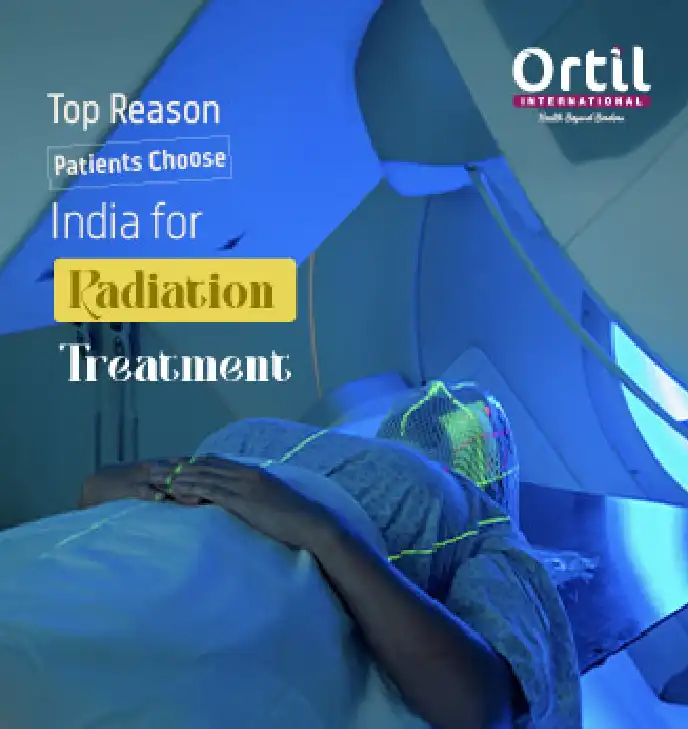
India provides advanced and cost-effective radiation therapy for cancer patients, making it a trusted destination for international patients. With world-class technology, experienced oncologists, and globally accredited hospitals, patients receive safe and precise cancer treatment at a fraction of the cost compared to Western countries.
Introduction
Radiation therapy is one of the most common treatments for cancer. It uses high-energy radiation to destroy cancer cells while protecting healthy tissues. Depending on the type and stage of cancer, radiation may be given alone or along with surgery and chemotherapy. India has emerged as a global hub for cancer care, offering modern radiation therapies that are both affordable and highly effective.
Understanding Radiation Therapy
Radiation therapy in India is performed by trained oncologists using advanced machines and imaging technologies. The treatment is painless, non-invasive, and often done on an outpatient basis, allowing patients to return to normal activities quickly.
What is Radiation Therapy?
Radiation therapy involves the use of powerful rays (X-rays, protons, or other radiation) to kill or control the growth of cancer cells. Types of radiation therapy available in India include:
- External Beam Radiation Therapy (EBRT) – Targets cancer from outside the body
- Brachytherapy – Places radioactive material inside the body near the tumor
- Image-Guided Radiation Therapy (IGRT) – Uses imaging for precise targeting
- Stereotactic Radiosurgery (SRS) and Stereotactic Body Radiotherapy (SBRT) – High precision for brain and body tumors
- Proton Therapy – Available in select hospitals for sensitive cancers
Who Needs Radiation Therapy in India?
International patients who may need radiation therapy include:
- Patients diagnosed with different types of cancer (breast, prostate, brain, lung, cervical, etc.)
- Patients requiring radiation after surgery to kill remaining cancer cells
- Patients who cannot undergo surgery but need targeted treatment
- Patients needing palliative care to reduce pain or symptoms
Pre-Treatment (Consultation Phase)
Before starting therapy, patients undergo:
- Detailed cancer evaluation (imaging scans, biopsies)
- Physical check-up and medical history review
- Simulation sessions to plan the exact radiation dose and target area
- Counseling to explain side effects and recovery steps
Post-Treatment (Recovery and Follow-Up Phase)
After radiation therapy in India, patients are provided with:
- Regular follow-up visits or online consultations
- Guidance on managing side effects like fatigue, skin changes, or nausea
- Nutrition and lifestyle counseling for faster recovery
- Continuous monitoring to check cancer control and overall health
Why Choose India for Radiation Therapy?
- Experienced radiation oncologists trained in top global institutions
- Advanced technology like IMRT, IGRT, CyberKnife, and Proton Therapy
- Internationally accredited hospitals (JCI and NABH)
- Affordable treatment compared to the USA and Europe
- Multilingual support and dedicated international patient services
- Quick appointment scheduling with minimal waiting time
Top Hospitals in India for Radiation Therapy
- Apollo Cancer Centres, Chennai & Delhi
- Tata Memorial Hospital, Mumbai
- Fortis Memorial Research Institute, Gurugram
- Medanta – The Medicity, Gurugram
- Max Cancer Centre, Delhi
- Manipal Hospitals, Bangalore
Cost of Radiation Therapy in India
- External Beam Radiation: US $3,000 – $6,000
- Brachytherapy: US $4,000 – $7,000
- CyberKnife / SRS / SBRT: US $7,000 – $12,000
- Proton Therapy: US $25,000 – $35,000
Cost Comparison of Radiation Therapy Treatment
India : $3,000 – $35,000
USA : $25,000 – $70,000
UK : $20,000 – $50,000
Factors That Affect Success
- Stage and type of cancer
- Accuracy of planning and technology used
- Patient’s age, health, and treatment tolerance
- Quality of follow-up and supportive care
Challenges and Solutions
- Challenge: Concerns about travel, language, and cultural differences
- Solution: Indian hospitals have international patient departments offering translators, airport pick-up, visa support, and accommodation assistance.
How We Help
- Connect patients with the best oncologists and hospitals in India
- Arrange medical visas and travel assistance
- Collect medical history for pre-arrival consultation
- Schedule appointments without delay
- Organize post-treatment follow-ups (online and in-person)
Legal and Ethical Standard
Indian hospitals follow strict international medical ethics. Patients are informed about every step of their treatment, and confidentiality is maintained throughout.
Recovery and Life After Treatment
Most patients continue normal life during and after radiation therapy with some manageable side effects. With proper follow-up care, many patients experience long-term cancer control and improved quality of life.
Conclusion
India provides world-class radiation therapy for cancer patients at an affordable cost. With advanced technologies, skilled oncologists, and compassionate care, international patients benefit from effective treatment and holistic support in a safe medical environment.