Liver cirrhosis is the condition in which scarring of the liver occurs due to the effect of some serious disease or a poor lifestyle in which excessive alcohol and smoking are a part of everyday life. Liver cirrhosis can be the cause of some serious end-stage diseases of the liver such as hepatitis and fatty liver. When the liver is injured due to some disease or by the use of excessive alcohol, liver cells repair in the healing process and form scarring. And when the liver is injured again and again, scar tissue forms in excessive amounts. When the scar tissue becomes extensive, it limits the liver to perform its normal function. Liver cirrhosis can be life-threatening if it blocks the normal functioning of the liver. In rare cases, liver cirrhosis can be reversed. If liver cirrhosis is diagnosed at an early stage, further liver damage can be prevented. Liver cirrhosis can lead to many complications if it is not treated. For example, liver cirrhosis can change the blood supply to the liver and may lead to problems like high blood pressure and the pooling of blood in the veins of the legs. Liver cirrhosis may also increase the risk of infection which can further complicate the condition to be treated. Liver cirrhosis should be managed as early as possible otherwise it can decrease the quality of life of the patient.
Types of Liver Cirrhosis Treatment in India
Cirrhosis can be treated in three ways. These are:
- Treatment with the underlying cause of liver cirrhosis
- Treatment for complications of cirrhosis
- Liver transplant surgery
Treatment with the underlying cause of liver cirrhosis
- Alcohol Avoidance: Patients who have liver cirrhosis due to excessive use of alcohol should avoid alcohol to prevent further damage to the liver that can lead to liver cirrhosis.
- Medications for hepatitis: Some specific medications can be used for hepatitis B and C which is the cause of liver cirrhosis.
- Lifestyle Modifications: Lifestyle changes are an important part of the treatment of liver cirrhosis. It should involve a healthy diet, regular exercise, and management of weight.
Treatment for complications of cirrhosis
- Diuretics: Diuretics are the specific medications that are used to eliminate the excess amount of water in the body, mainly in the abdominal area due to liver cirrhosis.
- Beta-Blockers: These medications can be used to reduce the risk of bleeding due to the complication of liver cirrhosis.
- Antibiotics: Infections are a common complication in cirrhosis patients. So antibiotic medicines are used to treat the complications of infection.
- Nutritional Support: A healthy diet and nutritional supplements are important for the patient who is suffering from liver cirrhosis.
Liver transplant surgery
When liver cirrhosis becomes so extensive that it cannot be treated with medications then liver transplant surgery is performed in which a healthy liver is transplanted to the patient and damaged liver is removed.
Cost & Diagnosis of Liver Cirrhosis Treatment in India
Some of the diagnostic procedures for liver cirrhosis are:
Blood Tests
Blood tests can detect abnormal levels of particular proteins that are only present in the liver. The presence of these proteins in the blood can be a sign of liver damage and liver cirrhosis.
Imaging Studies
Imaging techniques like ultrasound, CT scan, or MRI are used to take clear pictures of the structure of the liver. These techniques can detect any abnormality of structure in the liver.
Liver biopsy
Liver biopsy may be used to detect the extent of liver cirrhosis. A biopsy involves taking a small tissue sample from the liver for examination in the laboratory.
Viral Hepatitis Testing
Blood tests are done to identify the presence of the infection of hepatitis viruses which can cause liver cirrhosis.
Rule Out Other Conditions
The healthcare provider may also perform tests to exclude other conditions with similar symptoms to make an accurate diagnosis.
Comprehensive Evaluation
A combination of medical history, physical examination, blood tests, imaging studies, and sometimes liver biopsy is used to make a comprehensive diagnosis of liver cirrhosis.
Cost of Liver Cirrhosis Treatment in India
The cost of liver cirrhosis treatment in India ranges from ₹ 83,000 USD to ₹ 1,20,000. The cost can vary according to the condition of the patient at the time of diagnosis. It can also vary according to the complications of each patient.
Liver Cirrhosis Treatment: 3200 USD to 4200 USD
Liver Resection: 3,836 USD to 5,114 USD
Liver Transplant: 25000 USD to 37000 USD
Medications: 800 to 1200 USD
Symptoms and Risk Factors of Liver Cirrhosis Treatment
The symptoms of liver cirrhosis are:
- Feeling of tiredness
- Yellow skin and yellowish appearance of eyes
- Swelling and fluid build-up
- Itchy skin
- Loss of appetite
- Nausea and vomiting
- Weight loss
- Weakness and muscle wasting
- Easy bruising and bleeding
- Enlarged spleen
- Mental confusion
- Red or black stools
- Abdominal pain or discomfort
- Fever and chills
- Difficulty concentrating
- Personality changes
- Sleep disturbances
- Dark urine
- Muscle cramps
- Loss of sexual desire
- Menstrual irregularities
- Yellowing of the fingernails
- Abnormal movements of the hand
- Difficulty walking
- Frequent infections
- Increased sensitivity to medications and drugs
- Redness and swelling in the palms of hands
Risk Factors of Liver Cirrhosis
Some of the risk factors that are associated with liver cirrhosis are:
Alcohol abuse
Alcohol increases the risk of liver cirrhosis. Not every person who drinks alcohol develops liver cirrhosis but it is more common in those who drink alcohol.
Chronic viral hepatitis
Infections with hepatitis B virus and hepatitis C virus are the major risk factors for liver cirrhosis because the virus damages the liver and leads to the formation of scars.
Non-alcoholic fatty liver disease (NAFLD)
This condition occurs in individuals who consume little or no alcohol but eat unhealthy food that contains fat. The excessive amount of fat accumulates in the liver and can progress to liver cirrhosis.
Autoimmune hepatitis
An autoimmune disease where the body's natural defense system mistakenly attacks the liver which leads to the damage of the liver and develops into liver cirrhosis.
Biliary tract disorders
Conditions that affect the bile ducts can lead to injured liver. The injury of the liver turns into scarring in the process of healing and can develop the condition of liver cirrhosis.
Obesity
Being overweight or obese increases the risk of liver cirrhosis. People who are overweight have a greater risk of developing liver cirrhosis.
Diabetes
People who have diabetes are more prone to develop the condition of liver cirrhosis.
Chronic heart failure
Severe heart failure and end-stage heart disease can cause damage to the liver. It can lead to liver cirrhosis.
Best Doctors for Liver Cirrhosis Treatment in India
- Dr. A. S. Soin
- Dr. Mohamed Rela
- Dr. Anand K. Khakhar
- Dr. Subhash Gupta
- Dr. Vivek Vij
Best Hospitals for Liver Cirrhosis Treatment in India
- Apollo Hospitals
- Fortis Hospitals
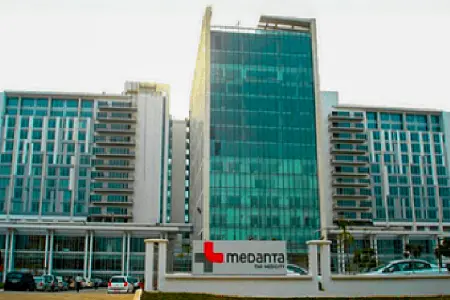
- Medanta - The Medicity, Gurgaon
- Sir Ganga Ram Hospital, New Delhi
- Max Super Speciality Hospital, New Delhi