







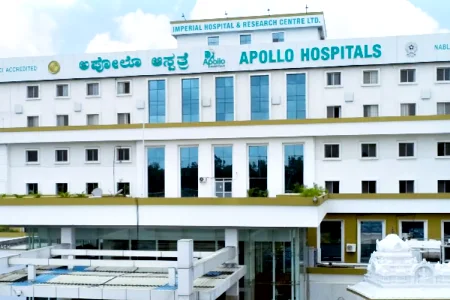
Top Cancer Treatment Hospitals in India
 04/13/2024







 Cancer Treatment
Metastatic cancer is a type of cancer in which the cancer cells from one part of the body spread and involve other areas of the body. In metastatic cancer, tumor cells enter the blood travel to other areas of the body, and start to multiply in the new area. Metastatic cancer occurs when the cancer is in the last stage. Most of the time, it is not possible to cure metastatic cancer completely. In such cases, palliative treatment is often used where different treatment options are used in combination and the main focus is to improve the quality of life of the patient. The symptoms of metastatic cancer usually depend on the area that is involved in metastasis. For example, lung metastasis has symptoms related to breathing problems and bone metastasis has symptoms of pain and fatigue. The metastatic cancer most commonly spreads to the liver, lungs, bones, and brain. Sometimes metastatic cancer is diagnosed first in the body before the diagnosis of primary cancer due to which metastasis occurs. The main goal of the treatment of metastatic cancer involves the management of symptoms of the patient rather than the cure of the disease. The survival after metastatic cancer usually depends on the condition of the patient and also depends on the area of the body affected by the cancer.
Explore systemic therapies such as chemotherapy, immunotherapy, and targeted treatments for advanced-stage cancers.
Some of the treatments used for metastatic cancer are as follows:
Palliative care focuses on relieving symptoms and improving the quality of life of patients. It also includes providing emotional support to patients with metastatic cancer and their families or caregivers.
The surgical treatment is used to remove the tumor when the tumor growth is compressing the tissues and disturbs their functions. For example, brain tumors are removed surgically to relieve the symptoms caused by the compression of brain tissue.
Chemotherapy medications are given to the patient to kill and destroy cancer cells in the body. Chemotherapy is also used with other treatment options to manage patients with metastatic cancer.
Radiation therapy involves the use of high-energy X-rays to destroy the tumor. Like surgical treatment it can be used to relieve the symptoms of a patient and like chemotherapy it can also be used in combination of treatments.
Target drug therapy is designed to inhibit specific molecules or pathways involved in cancer growth and spread. This is an advanced type of technique used in the treatment of cancer.
Immunotherapy drugs block proteins that decrease the response of the immune system to cancer cells. This can help the patient’s immunity to fight against cancer cells.
This treatment is used for hormone-sensitive cancers like breast and prostate cancer to block hormone production or hormone receptors on cancer cells.
Some of the methods of diagnosis of metastatic cancer are:
Tissue samples are obtained from the primary tumor or suspicious areas. These samples are examined under a microscope to confirm the presence of cancer cells and also describe the cancer type.
Specific blood markers including tumor markers and blood cell counts provide additional information about the presence and extent of cancer.
A flexible tube with a camera at the end may be used to internally examine areas like the digestive system for tumors or any other abnormality.
If bone marrow involvement is suspected, samples are obtained for examination.
Genetic testing can identify specific genetic changes in certain cancers which can also help to choose the specific type of treatment.
Lymph nodes near the primary tumor may be surgically removed or tested through a biopsy to check for cancer spread.
The cost of metastatic cancer treatment depends on the condition of the patient. The cost can vary according to the types of treatments used for a patient. The cost can also vary according to the part of the body involved in metastatic cancer.
Some of the symptoms of metastatic cancer are as follows:
The risk factors for metastatic cancer are described below:
Metastatic cancer occurs after the primary cancer that can develop in any part of the body. If primary cancer is not treated on time it can lead to metastatic cancer.
The stage at which the primary cancer was diagnosed can increase the chances of metastatic cancer. Advanced stages of cancer have a higher risk.
Larger primary tumors are more likely to spread to distant organs and cause metastatic cancer.
If cancer has spread to nearby lymph nodes, the risk of further metastasis increases.
Patients whose genetic factors cause the primary cancer are at greater risk of developing the disease into metastatic cancer.
Some cancers are more common in specific age groups. The risk of metastatic cancer also increases with age.
In some cases, one gender is more at risk of developing the disease than the other. For example, lung cancer is more commonly present in males and it can metastasize to other parts.
A weakened immune system may have a reduced ability to prevent cancer spread. So patients with weak immunity are at greater risk of metastatic cancer.
Smoking and certain lifestyle habits can increase the risk of developing cancers. The cancer can also spread to other areas of the body.
Some occupational or environmental exposure to chemicals that cause cancer, can also increase the risk of cancer and metastasis.
Oncologists experienced in managing stage 4 and advanced metastatic cancers.


Comprehensive centers offering multidisciplinary care for metastatic cancer.
Indian oncologists create personalized treatment plans for managing advanced-stage cancer by thoroughly evaluating each patient’s unique medical history, cancer type, genetic markers, and overall health. They use a combination of diagnostic tools, including imaging, biopsy, and molecular testing, to determine the best treatment strategy. The treatment plan is tailored to the specific needs of the patient and may include chemotherapy, targeted therapy, immunotherapy, or radiation, ensuring that each patient receives the most effective and individualized care to manage their condition.
India is known for effectively combining chemotherapy, immunotherapy, and palliative care due to its advanced medical infrastructure, highly skilled oncologists, and integrated approach to cancer treatment. Indian cancer centers use the latest therapies and technologies to treat metastatic cancer while focusing on improving the patient’s quality of life. Chemotherapy and immunotherapy are combined to target cancer cells while boosting the immune system’s ability to fight the disease. Palliative care is provided to manage symptoms, alleviate pain, and improve comfort, ensuring that patients receive comprehensive care throughout their cancer journey.
Indian hospitals offer comprehensive support systems for pain management and improving quality of life in metastatic cancer patients. These include specialized pain management programs with medications such as opioids, analgesics, and nerve blocks to alleviate discomfort. In addition to pharmacological pain relief, patients receive psychological counseling, nutritional support, and physical therapy to enhance overall well-being. Support groups and community resources are also available to help patients and their families cope with the emotional and mental challenges of living with advanced cancer.
Indian cancer centers offer hope for patients with multiple metastases by using a multidisciplinary approach that combines the latest treatment options with innovative therapies. Advanced treatments like targeted therapy, immunotherapy, and personalized chemotherapy regimens are used to treat metastatic cancer, focusing on halting or slowing the spread of the disease. Indian oncologists are experienced in managing complex cases with multiple metastases, offering patients the best possible chance of improving outcomes and extending survival. Additionally, palliative care options ensure that patients remain comfortable and supported throughout their treatment.
International patients benefit from multidisciplinary metastatic cancer care in India by accessing world-class treatment options at an affordable cost. Indian hospitals offer a coordinated approach, with oncologists, radiologists, surgeons, pain specialists, and palliative care teams working together to create and implement a personalized treatment plan. The use of cutting-edge technologies and the latest therapies ensures that patients receive comprehensive care. India’s medical tourism infrastructure provides seamless assistance with travel, accommodation, and language support, making it easier for international patients to receive timely, high-quality cancer treatment and follow-up care.

04/13/2024

04/29/2024

01/30/2025